
Does Alcohol Make You Fat? Here’s the Science
Another consists of fasting every day for 16 hours and eating all your food within an 8-hour period. Intermittent fasting has recently become very popular as a weight loss method. It’s an eating does alcohol make you gain weight pattern that cycles between periods of eating and periods of fasting. To help reduce belly fat, engage in activities that relieve stress. Trans fats are created by pumping hydrogen into unsaturated fats, such as soybean oil.
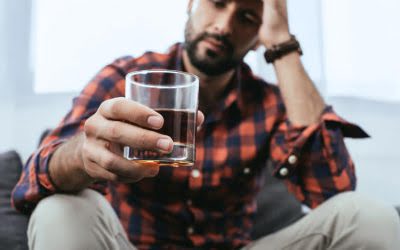
It can lead to poor food choices
Because men have less subcutaneous fat, they store more in their bellies. People also tend to underestimate how much they’re drinking, Stanford says. A serving of wine, for example, is five ounces, but you probably pour more than that when you’re having a glass at home. “Whatever you think you’re having, you probably need to cut that in half,” Stanford says. They’re rich in high quality protein and omega-3 fats, which may offer protection against chronic disease. In addition, food tracking tools help you to see your intake of protein, carbs, fiber, and micronutrients.
Nutritional Profile: What Does Whiskey Lack?
An older observational study involving over 1,100 adults found that for every 10-gram (g) increase in soluble fiber intake, belly fat gain decreased by 3.7% over 5 years. If you’d like to prevent weight gain and still enjoy drinking, try choosing lower-calorie alcoholic beverages and manage how much alcohol you consume. If you want to enjoy a drink but limit your alcohol intake, try subbing in some of our favorite nonalcoholic drinks and spirits, several of which are low-calorie or https://ecosoberhouse.com/ low-sugar. A recent animal study found that mice given ethanol over a period of three days demonstrated a significant increase in food intake.
Will 4 beers a day make me fat?
- Through evidence-based group therapy and individual therapy, we delve into the underlying factors that contribute to your alcohol addiction.
- More investigation is necessary to determine how these movements influence facial fat specifically.
- These added sugars increase the total calorie intake, making weight gain more likely compared to drinking whiskey neat.
- If you’re wondering, “Does liquor make you gain weight alcohol belly fat?
A Scandinavian study showed that men and women alcoholics on average have a life expectancy that is between 24 and 28 shorter than the general population. If we add in the factors of obesity and unhealthy lifestyle, it is reasonable to infer that obese alcoholics likely have an even greater lifespan reduction compared to the general public. Heavy alcohol drinking throws critical appetite and weight-regulating hormones out of balance, wreaking havoc across the systems that control hunger, satiety, and fat production. Mean alcohol calorie consumption was 27% of the recommended daily calorie intake in men and 19% in women…with a positive association between alcohol calories and obesity. Alcohol calories may be a significant contributor to the rise in obesity. Based on the numbers, if you drink four bottles of 12% strength wine in one month, you’re consuming up to 32,400 additional calories per year.
How to get rid of a beer belly
Shelton and Knott found a link between calories from alcohol and obesity rates in men and women. They looked at a health survey data set of 8,864 people and calculated the odds of obesity in association with alcohol-derived calories. You’re more likely to lose weight by combining alcohol reduction with healthier lifestyle choices.
Although fruit juice provides vitamins and minerals, it’s often just as high in sugar as soda and other sweetened beverages. For example, an 8-ounce (248-milliliter) serving of unsweetened apple juice contains 24 g of sugar, over half of which is fructose. For vegans, vegetarians, and those who don’t regularly consume fish, plant-based omega-3 supplements derived from sources like algae are also available. What’s more, women who already have a large waist tend to produce more cortisol in response to stress.
If you’re hoping to lose weight but still want to enjoy your favourite tipple, it’s just a case of cutting down – and accepting that it will just take a little longer to shed those pounds. “Cutting out alcohol is one of the quickest ways to lose weight,” says Dr Brewer. If you’ve been using alcohol to relax, she recommends CBD oil . Your liver plays an important role in metabolizing proteins, carbohydrates and fats so your body can use them — but if given the choice, your liver would rather burn off alcohol than fat. When a person drinks a great deal of alcohol over time, or on a single occasion, the heart can be drug addiction treatment damaged. It doesn’t stop there, alcohol can also affect a person’s pancreas, which supports healthy digestion.
Alcohol, weight and nutrition

Gram for gram, beer contains as many calories as a soft drink, so it has the potential to add a lot of calories to your diet (2, 3). Aging is often accompanied by an increase in the problematic fat that can lead to heightened cardiovascular disease risk as well as by a reduction in bone mineral density. This has important health implications given that nearly 75 percent of adults in the US are considered overweight or obese. Your frame isn’t the only part of you that will benefit from cutting back on booze.
Can alcohol make you fat?
The body considers alcohol a toxin/waste, therefore when someone drinks, it metabolizes it, and other nutrients such as fat will be pushed aside. Once the fat is stored up in the liver, it can lead to liver disease. When an individual is drinking a large amount of alcohol, engaging in healthy activities such as exercise will feel like a task, rather than a privilege. Alcohol suppresses lipid oxidation and disrupts the body’s ability to break down fats for energy. It also reduces muscle nutrient availability and alters hormone signals, tricking your body into conserving fat while losing muscle. These metabolic effects decrease daily calorie expenditure while preferentially storing incoming calories as fat, which translates into escalating obesity.
Leave a reply
Leave a reply